


Collaborative Technology Development
Collaborative Technology Development
Co-creating next-generation
services with 3D and AI
Solving challenges together with our industry partners
Backed by university-born engineering
and working with industry partners,
we get to the root of the hardest problems
Our ultimate goal is to solve the more fundamental problems of the manufacturing industry.
But this is an industry of enormously varied products and processes. However deep our technical expertise runs, we do not pretend to grasp every sector's domain knowledge,
or the day-to-day work and concerns of the people in it.
That is why we want more than a vendor relationship: we want to sit down as partners and spend real time with the people in the field.
Bringing engineering that came out of the University of Tokyo, we dig into the problem with you and go after the root cause.
Sustained over time, that work is how the industry as a whole gets revitalized and transformed.
Tell us about your challenges and what you want to build.
We look forward to hearing from you.





Approach
Our Technologies
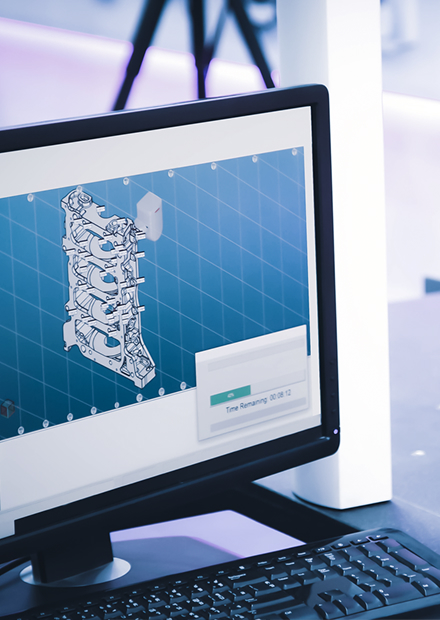
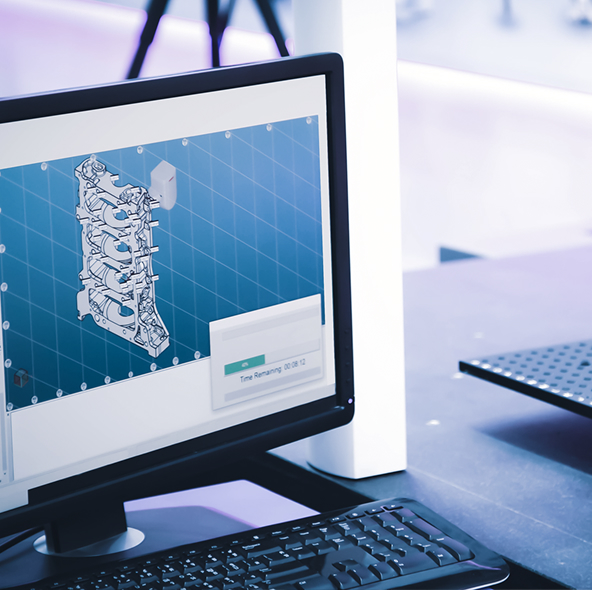
3D data analysis
Using geometry algorithms and AI, we automatically recognize 3D shapes, extract features, and convert those features. Our analysis technology makes advanced automation of 3D data possible.
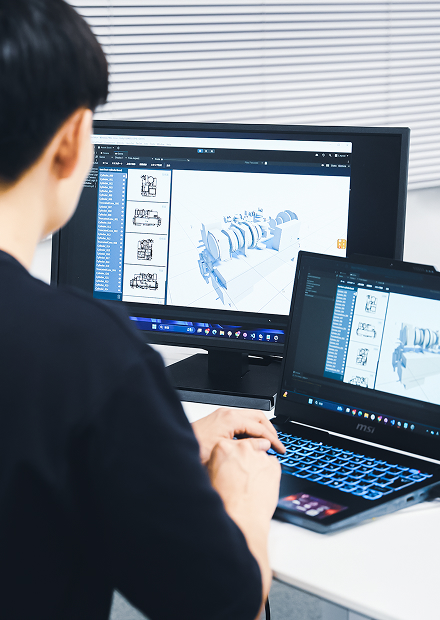
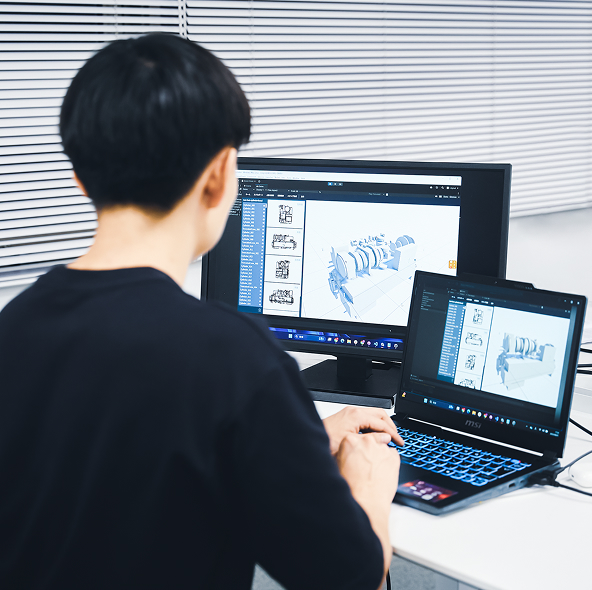
3D data editing
From design automation with AI and parametric modeling to browser-based CAD platforms, we build systems that redefine the design process itself, grounded in a deep understanding of how design actually works.
3D Scanning
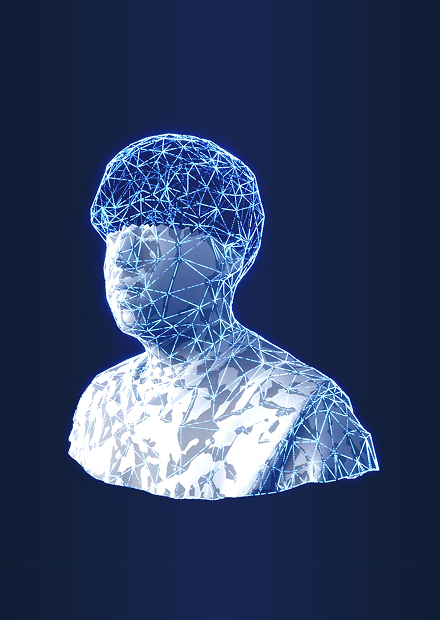
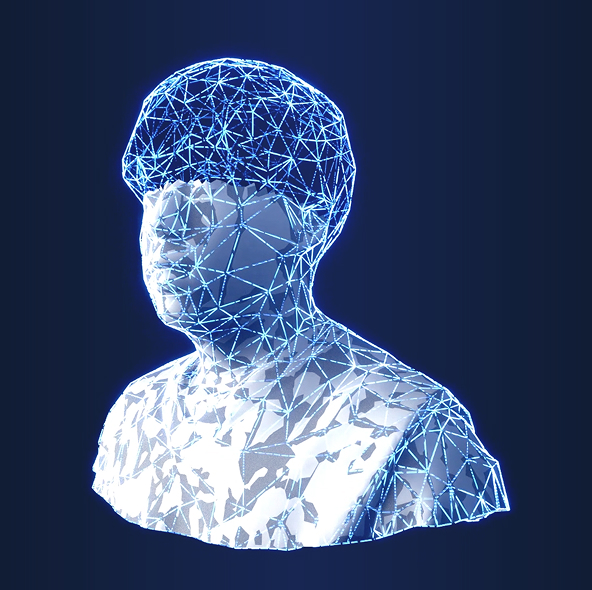
From a smartphone 3D scanning app with over a million users to full-body 3D scanning enclosures, we build complete 3D scanning systems spanning both software and hardware.
AI data platforms
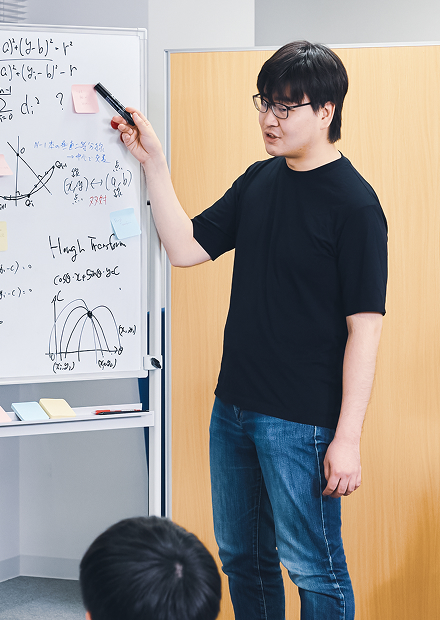
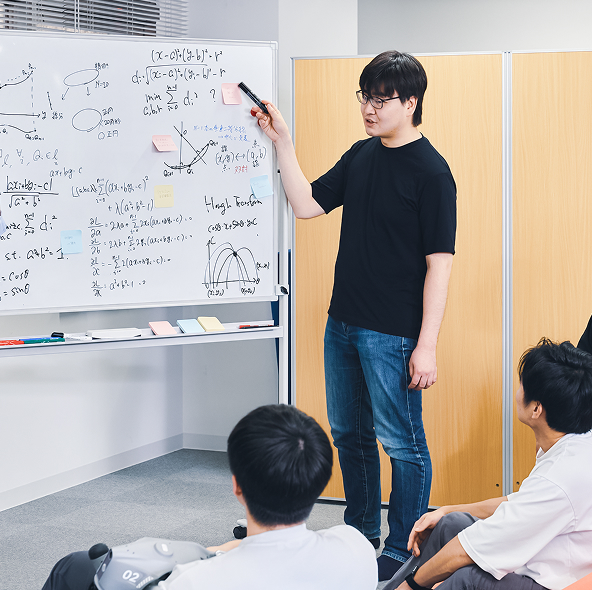
Drawing on expertise from a University of Tokyo vision AI lab, we handle everything from integrating large generative models to building purpose-specific models from scratch, designing and building AI data platforms tuned to your product or operations.
Case Study
Project Examples
Automated 3D Model Generation Software
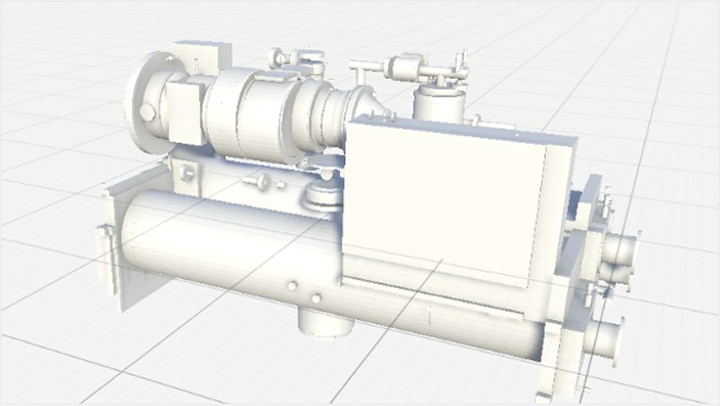
Outline
Together with Sanki Engineering, we developed TRANDIM, software that automatically generates 3D models from 2D drawings (DXF/DWG). It removes most of the manual modeling effort that had been holding back BIM adoption in building services, and accelerates digital transformation.
Co-creation partner
The challenge
The solution
Results
HACADLY 3D Design Verification
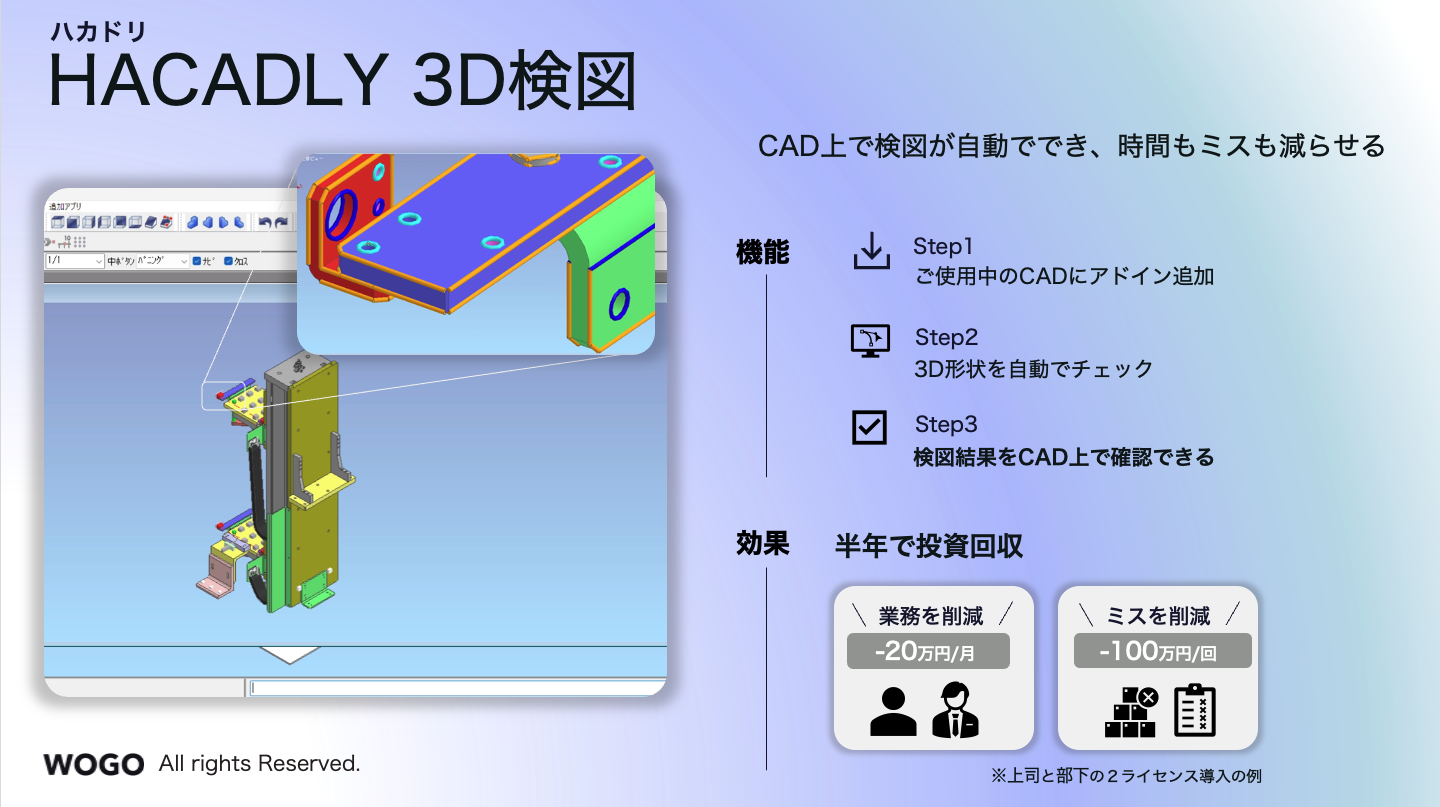
Outline
Supervised by design consultants to the manufacturing industry, we developed HACADLY 3D Design Verification, which automatically detects manufacturability issues in 3D CAD data. By encoding the tacit knowledge of veteran engineers and eliminating rework at the design stage, it changes how quality assurance works in manufacturing.
Co-creation partner
The challenge
The solution
Results


Solve your challenges
with WOGO technology
As your co-creation partner, we propose change that fits how your teams actually work. Whether it is cutting hours or passing on expertise, we are glad to talk.
Document

Contact